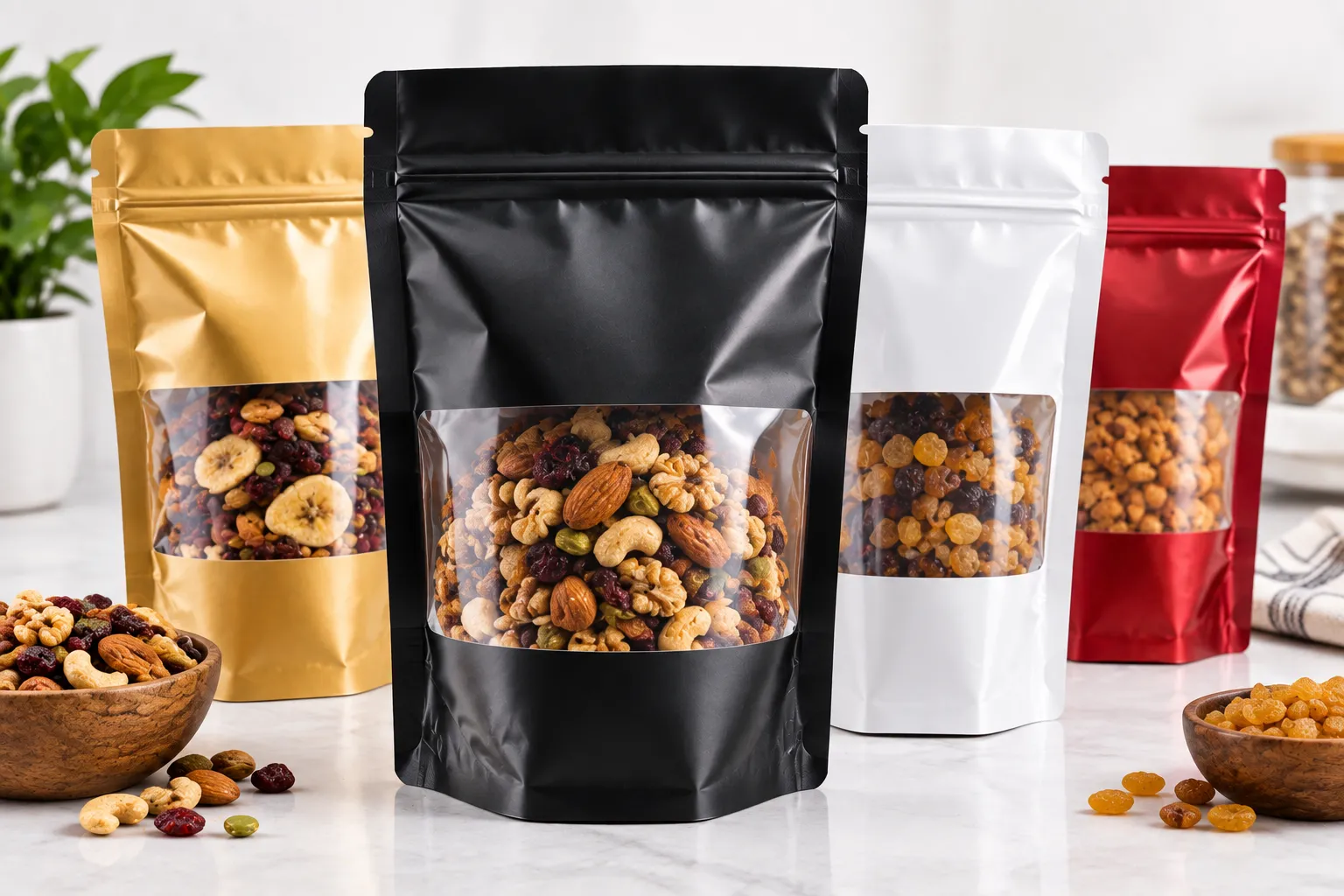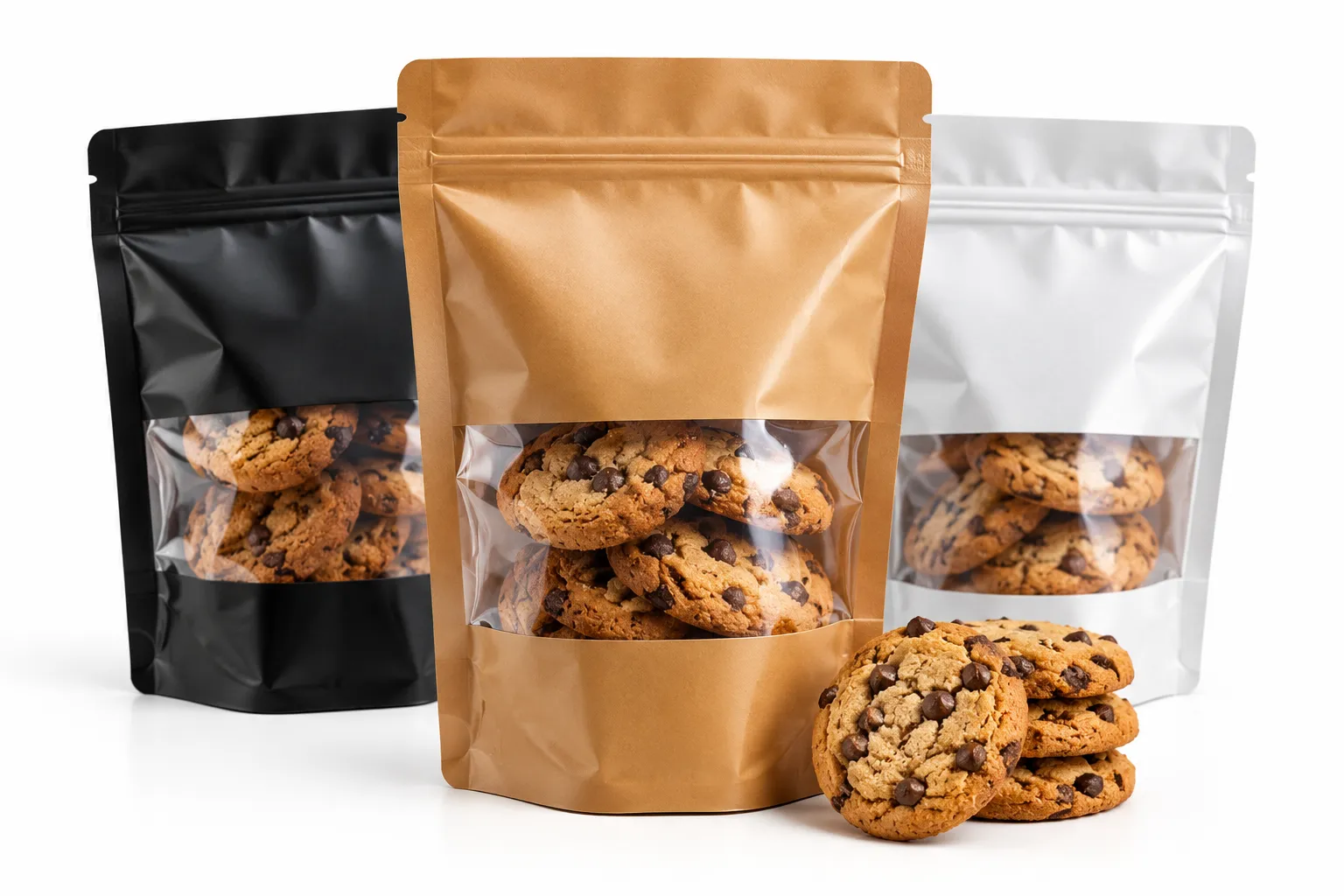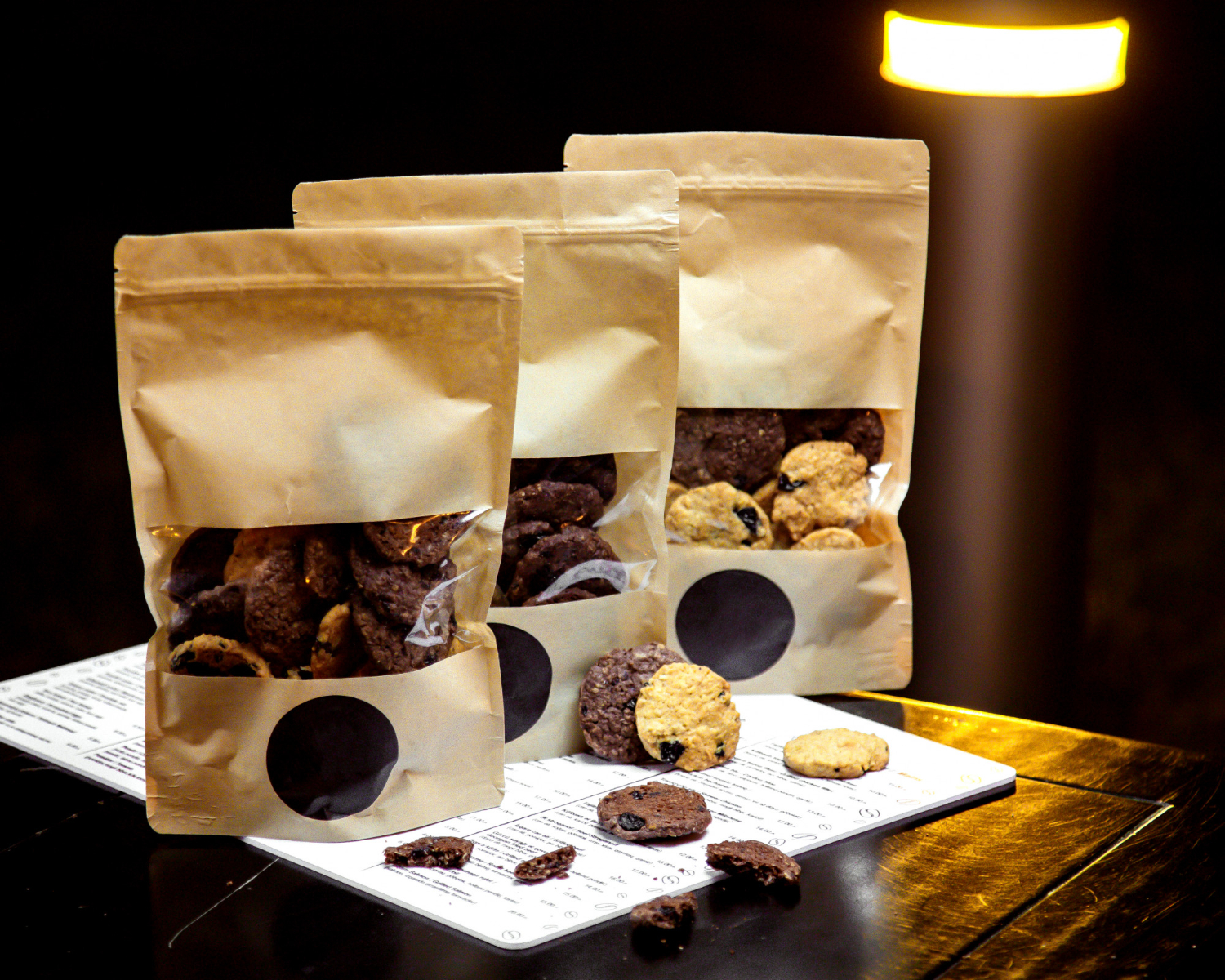
Storing food for months or years requires more than a plastic container from the supermarket. Mylar Bags Pro has supplied home preppers, homesteaders, and bulk buyers with reliable food storage mylar bags for over a decade. These metallic-looking pouches block light, moisture, and oxygen—three enemies of long-term food preservation. Whether you are building a six-month pantry or protecting a harvest of dried beans, the right mylar bag makes the difference between fresh food and wasted stock. This guide explains what to look for, how to use them, and which options suit your needs.
Plastic bags and glass jars work for short-term storage. They let light in, allow slow air exchange, and crack under pressure. Food storage mylar bags solve these problems. The material is a stretched polyester film layered with aluminium. This creates a barrier that reflects light, resists punctures, and keeps oxygen out when sealed properly.
Preppers in the United States, Canada, and Australia use mylar bags for grains, rice, pasta, dried fruit, powdered milk, and freeze-dried meals. Home cooks with large gardens seal dehydrated vegetables and herbs for winter use. The US Department of Agriculture (2022) notes that oxygen exposure reduces the shelf life of dried grains by up to 50 percent. Mylar bags paired with oxygen absorbers extend that life from one year to ten years or more.
Not all mylar bags are the same. Thickness, size, and closure type change how well they protect your food. Here is a comparison of the most common options.
Table
| Bag Type | Thickness | Typical Size | Oxygen Barrier | Best For | Price Range (per bag) |
|---|---|---|---|---|---|
| Standard flat mylar bag | 3.5 mil | 1–2 gallon | Good | Grains, rice, pasta | $0.40–$0.80 |
| Heavy-duty flat mylar bag | 5 mil | 1–5 gallon | Excellent | Beans, flour, powdered milk | $0.80–$1.50 |
| Gusseted stand-up mylar bag | 4.5 mil | 1–2 gallon | Very good | Daily pantry access | $0.70–$1.20 |
| Zip-seal mylar bag | 3.5–4 mil | 1 quart–1 gallon | Moderate | Short-term or rotated stock | $0.50–$1.00 |
Standard 3.5 mil bags suit most dry goods stored in cool, dark places. Heavy-duty 5 mil bags resist punctures from sharp items like dried corn or pasta shapes. Gusseted bags stand upright on shelves, making them practical for kitchens where you open the bag regularly. Zip-seal bags work for items you rotate every few months, though they do not match the seal quality of a heat-sealed flat bag.
Sealing a mylar bag correctly is simple once you know the process. Poor sealing ruins the protection, so follow each step carefully.
Gather your supplies: food storage mylar bags, oxygen absorbers sized for your bag volume, a heat sealer or household iron, a permanent marker, and labels. Place the bag inside a sturdy bucket or box if you plan to stack them.
Fill the bag with your dry food, leaving three to four inches of space at the top. Add the correct number of oxygen absorbers. A one-gallon bag needs one 300cc absorber. A five-gallon bag needs five 300cc absorbers or two 2000cc absorbers. Press out excess air gently, but do not worry about removing it all—the absorber handles that.
Seal the bag using a heat sealer set to 375°F or an iron on the wool setting. Press firmly across the top inch of the bag, moving slowly. Test the seal by gently squeezing the bag. If air escapes, reseal immediately.
Label each bag with the contents and date. Store in a cool, dark, dry place. Basements work if humidity stays low. Avoid attics or garages where temperature swings are extreme. A food scientist at a US university extension service recommends checking seals every six months and rotating stock based on the oldest dates first.
Prices for food storage mylar bags range from pennies per bag for bulk standard sizes to several dollars for heavy-duty or custom-printed options. Several factors drive the price.
Thickness is the main cost driver. A 5 mil bag uses more material than a 3.5 mil bag and costs roughly 40 to 60 percent more. Size matters too—five-gallon bags cost more than one-gallon bags but hold more food per unit of packaging. Quantity discounts apply when you buy 50, 100, or 500 bags at once. Oxygen absorbers add to the total, though they are essential for long-term storage.
Shipping costs can surprise new buyers. Mylar bags are lightweight but bulky. Ordering from overseas may incur customs fees. A prepper in Michigan shared that buying a 100-bag bundle with absorbers from a domestic supplier saved her $30 in shipping compared to splitting orders between two international sellers.
Quality varies between suppliers. Some sellers advertise "mylar bags" that are thin plastic with a metallic coating. These fail within months. Here is how to spot a reliable provider.
Check the mil thickness. Anything under 3 mil is too thin for long-term storage. Look for bags made from PET and aluminium laminate, not single-layer plastic. Read reviews for mentions of seal reliability, puncture resistance, and whether the bags arrived with creases or damage.
A supplier who focuses exclusively on food storage mylar bags—like Mylar Bags Pro—will stock multiple thicknesses, offer oxygen absorber bundles, and provide clear guidance on sealing temperatures and shelf life expectations. General packaging sellers often lack this depth. They may sell bags suited for coffee or snacks, not for ten-year grain storage.
How long do food storage mylar bags keep food fresh?
When sealed with oxygen absorbers and stored in a cool, dark place, dry goods last five to ten years. Some items like white rice and dried beans can last over twenty years.
What size mylar bag should I buy for a family pantry?
One-gallon bags hold roughly four to five pounds of rice or beans. Five-gallon bags suit bulk storage of twenty-five pounds or more. Match the bag size to your consumption rate to avoid repeatedly opening large bags.
Do I need oxygen absorbers with every mylar bag?
Yes, for long-term storage. Oxygen absorbers remove the air inside the bag after sealing. Without them, food oxidises, loses flavour, and can develop rancidity in fats.
Can I reuse food storage mylar bags after opening them?
You can reseal a mylar bag if you cut below the original seal and add fresh oxygen absorbers. Bags with heavy oil residue or punctures should be discarded.
Are thicker mylar bags always better?
Not always. Five mil bags resist punctures but cost more and take up more storage space. Three and a half mil bags work fine for smooth grains in stable storage conditions.
How do I seal a mylar bag without a heat sealer?
A household clothes iron on the wool setting works. Place a wooden board or ironing board edge inside the bag opening, press the iron firmly across the top, and move slowly. Test the seal before storing.
What foods should not be stored in mylar bags?
Avoid moist foods, oily snacks, and items with high fat content. These can spoil even in low-oxygen environments. Stick to dry grains, legumes, pasta, and dehydrated goods.
Where is the best place to store sealed mylar bags?
A cool, dark, dry room or basement closet works well. Keep bags off concrete floors using pallets or shelves. Avoid attics, garages, and areas with temperature swings or humidity above 60 percent.
Do mylar bags protect against insects and rodents?
Mylar bags block insects from entering but do not stop rodents from chewing through. Store bags inside plastic buckets, metal bins, or sturdy totes for rodent protection.
How much do food storage mylar bags cost for a starter pantry?
A basic setup with fifty one-gallon bags and oxygen absorbers costs between $30 and $50. Bulk buyers can reduce this to $20 or less per fifty bags by purchasing larger quantities.
Can I store freeze-dried meals in standard mylar bags?
Yes, but use heavy-duty 5 mil bags. Freeze-dried meals often have sharp edges from packaging. Standard bags may puncture during handling or stacking.
What is the difference between mylar bags and vacuum-seal bags?
Mylar bags block light and oxygen better than vacuum-seal plastic. Vacuum sealers remove air mechanically but do not block light. Mylar with oxygen absorbers outperforms vacuum sealing for multi-year storage.
Building a reliable food pantry takes the right materials and a clear plan. Choose the correct bag thickness for your food type, seal with oxygen absorbers, and store in a stable environment. Compare suppliers carefully, check reviews, and buy enough to avoid repeated small orders. If you want guidance on bag sizes, oxygen absorber quantities, or bulk pricing for your home or homestead, ask Mylar Bags Pro about material options for your storage goals. We can help you match the right food storage mylar bags to your needs without pressure.